
22 Psychological Safety Is Reciprocal

Discussions of psychological safety in education often focus on whether learners feel safe to speak, ask questions, make mistakes, disagree, or contribute ideas. These conditions are essential, but psychological safety is relational. Instructors are also participants in the social and emotional environment of the classroom, and their own sense of uncertainty, belonging, and safety can influence the learning community (Hopkyns & Dovchin, 2024).
Recent research on emotions in foreign-language classrooms supports this reciprocal perspective. Jiang et al. (2026), for example, found that students’ perceptions of teacher enjoyment and anxiety were associated with students’ corresponding emotions. This does not mean that teacher anxiety directly causes student anxiety, but it does suggest that the emotional experiences of instructors and learners are interconnected.
Consider this situation
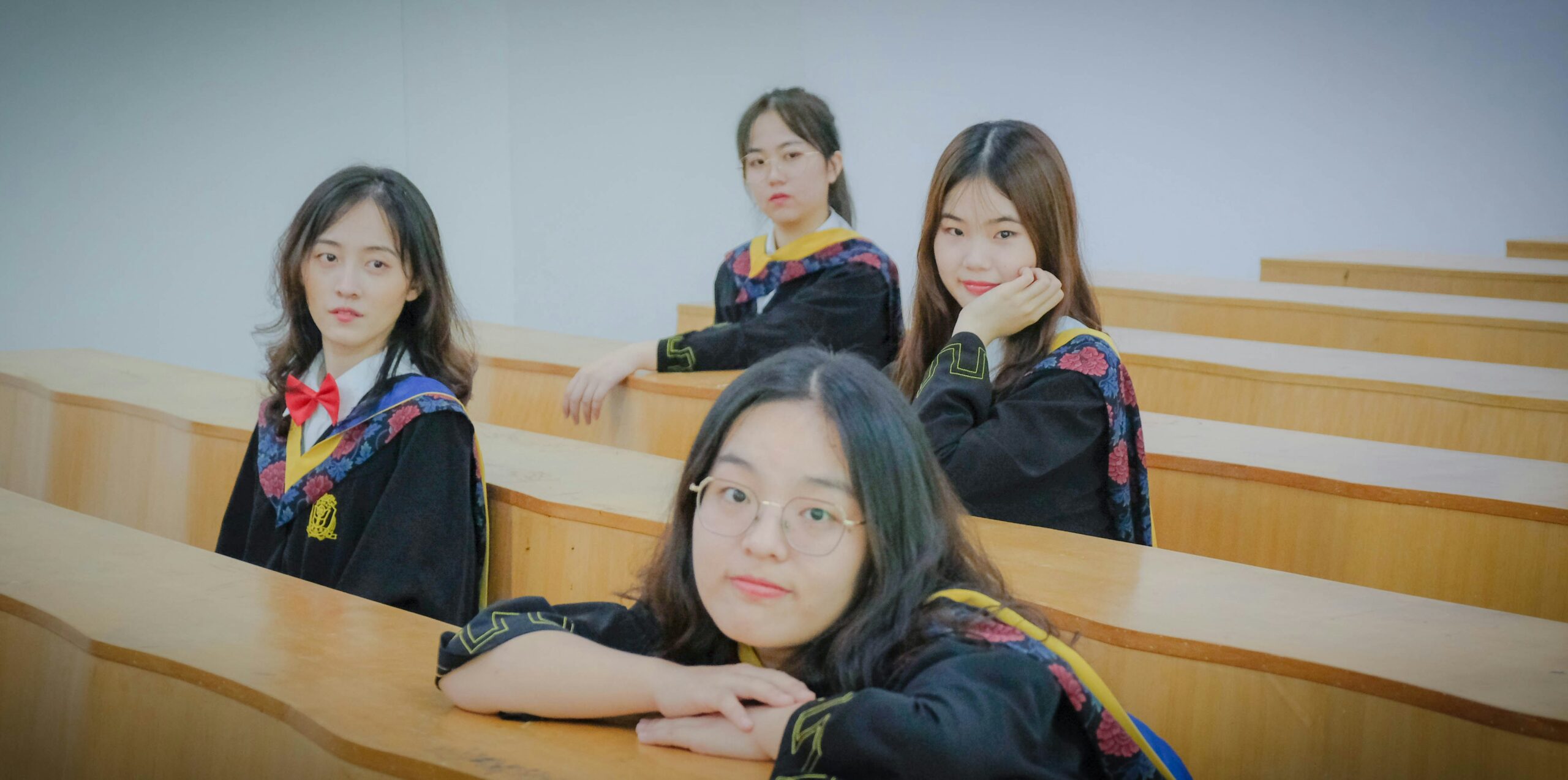
An instructor who speaks limited Japanese asks students to work together in a co-creation project in English. During the activity, several students begin speaking rapidly in Japanese. One student looks towards the instructor and the group laughs.
The students may simply be clarifying the task, helping one another, or sharing a joke. Using Japanese may also be an important resource that helps them understand the activity and participate more confidently. However, the instructor cannot understand the conversation and may be uncertain about what is happening. Are the students confused? Are they discussing the activity? Are they disengaged? Are they laughing about something unrelated, or about the instructor?
Nothing intentionally harmful needs to have happened for uncertainty to emerge.
This situation also illustrates how power can shift within a classroom. Formally, the instructor holds considerable institutional power. They design activities, manage the classroom, assess learning, and occupy the role of sensei. Linguistically, however, the relationship can temporarily change. Students may share access to a language and social interaction that the instructor cannot understand (Fiset & Bhave, 2026).
Related research uses the term linguistic ostracism to describe the experience of feeling excluded when others communicate in a language a person cannot understand (Fiset & Bhave, 2026). Although much of this research has been conducted in the workplace rather than classroom settings, it provides a useful lens for thinking about multilingual learning environments. Importantly, exclusion does not have to be intentional for someone to experience uncertainty or feel outside an interaction.
Shared responsibility, not language control
A response to this situation should not simply be to require students to use English at all times. An English-only rule places linguistic decision-making back in the hands of the instructor and can restrict learner agency. It can also overlook the many ways learners use their first language to think, clarify ideas, help peers, negotiate meaning, and participate in learning. From a co-creation perspective, the more useful question is not, Which language should students be allowed to use? but, How can everyone use the languages available to them while keeping others included in the learning community?
Instructors and learners can negotiate expectations together. For example, an instructor might explain that Japanese is welcome when it helps students think, understand, or support one another, while also asking students to help bring the instructor or other classmates back into conversations that concern the wider group.
The same principle applies in the other direction. Instructors can unintentionally exclude learners through complex English, academic terminology, cultural references, or conversations that only highly proficient students can follow. Responsibility for communicative inclusion therefore belongs to the whole learning community rather than to one group.
Reciprocal psychological safety is not about controlling which language people use. It is about creating shared responsibility for noticing when someone has been left outside an interaction and finding ways to bring them back in.
This perspective connects psychological safety with Power Sharing and Voice and Building the Learning Community. Psychological safety is not something an instructor simply provides for learners. It is something instructors and learners continually create together.
Reflection